Private Label Press-On Lashes: From Product Brief to Bulk Order
A private-label press-on lash project starts with a clear product brief and progresses through sample review, documented revisions, packaging approval and order confirmation. The buyer’s task is to keep each decision tied to an agreed specification and approved reference. Product availability, customization and commercial terms must be confirmed for the selected project; a concept mockup does not establish them.
In this guide
- Private Label Starts with a Clear Product Brief
- Step 1: Define the Product Direction
- Step 2: Review Samples and Record Revisions
- Step 3: Develop Branding and Packaging
- Step 4: Confirm the Production-Ready Specification
- Step 5: Confirm Commercial Terms for the Project
- Step 6: Move to Bulk Order and Quality Communication
- What Buyers Should Prepare Before Contacting QUENLIRA
- Translate the Product Brief into a Reviewable Development Sequence
Private Label Starts with a Clear Product Brief
- 01Brief
- 02Sample
- 03Revision
- 04Packaging
- 05Approved Reference
- 06Order Confirmation
Target market and retail channel
Identify the market, channel and intended retail presentation. Provide the context needed for product and artwork discussion without assuming the project meets every market requirement by default.
Product family and assortment
State which product families interest you and the intended role of each. Separate a confirmed selection from a direction you still want to compare through samples.
Branding and packaging requirements
Explain the brand direction, pack presentation and artwork needs. List any mandatory contents or instructions as requirements to be reviewed, rather than assuming a concept example is already available.
Step 1: Define the Product Direction
Choose product family
Choose the family to evaluate, then identify the selected references with the project contact. The category name alone is not a complete product specification.
Define style direction and pack configuration
Connect the style direction to the proposed components, counts and arrangement. Record any pack-content questions before requesting a representative sample.
Mark items requiring supplier confirmation
Keep a separate list of requested changes and unresolved specifications. A buyer preference becomes an agreed requirement only through explicit project confirmation.
Translate the Product Brief into a Reviewable Development Sequence
| Buyer input | Decision to record | File / record to keep |
|---|---|---|
| Market, channel, product family and selected style | Which direction proceeds to feasibility review? | Dated brief; mark open questions separately |
| Sample observations and requested changes | Accept, revise or leave open for clarification | Sample identifier, revision response and accepted version |
| Authorized brand files and label requirements | Which artwork and pack format are approved? | Dieline, artwork revision and separate fit decision |
| Backing-card route, quantity and target window | Which quotation scope and terms are accepted? | Written quotation and approval; retain project-specific conditions |
| Approved product, packaging and quality requirements | Is the handoff complete, with exceptions visible? | Reference bundle and responsible project contacts |
Use the OEM process for the production workflow; this worksheet records the buyer inputs and decisions needed at each stage.
Define the intended collection role before selecting the family: QL-PGC is the Pre-Glued Cluster family; QL-PHL is the Half / Accent family. Record the visual direction separately from the family so a natural or fuller brief does not erase the product-format distinction.
Make customization requests specific
Custom lengths are available for bulk orders. Include the requested length specification, curl direction, arrangement, density or cluster configuration, and any mixed assortment in the brief. Ask about fiber options and confirm Pre-Glued feasibility for the chosen combination. Tray configuration and packaging customization should be reviewed alongside the product; a preference does not establish a guaranteed production tolerance.
Approve the reference before the bulk commitment
Review the sample against those inputs, list revisions and identify the version accepted as the approved product reference. Then connect it to the chosen tray, packaging and approved branding files. Packaging discussion can begin earlier, but final fit and artwork approval must correspond to the accepted product. Any later configuration change needs another review of the affected references.
Use the private-label commercial page for project coordination and custom packaging for the pack scope. Bring the selected references and open questions into the project quotation request.
Step 2: Review Samples and Record Revisions
Use the sample as a decision point
Review the sample against the brief and decide whether to proceed, revise or pause. Avoid treating sample receipt as automatic approval or as proof of an unsupported product claim.
Document changes
Tie each requested change to a reference and describe the expected revision. Record the later response so old and new directions cannot be confused.
Establish an approved reference
Identify the approved product reference and any agreed limitations. Keep that record available for packaging review, quotation questions and later quality communication.
Step 3: Develop Branding and Packaging
Provide brand assets
Provide the approved logo, artwork text and usable design files you are authorized to use. Confirm spelling and presentation, and distinguish approved copy from draft promotional claims.
Confirm artwork and pack format
Review the artwork version and selected pack format together with the product configuration. Packaging planning covers the commercial discussion; do not assume every mockup construction is supported.
Keep concept mockups separate from approved production references
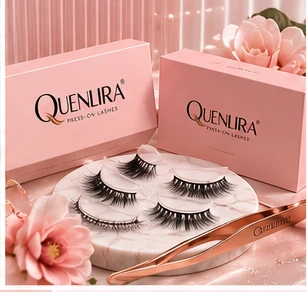
A render explains an idea. A production reference must identify the version actually reviewed and approved for the project. Label concepts clearly and avoid using them as documentary product or facility evidence.
Step 4: Confirm the Production-Ready Specification
Product specification
Resolve the selected references, components, counts and relevant instructions in writing. Ensure the description corresponds to the approved direction rather than an earlier example.
Packaging specification
Record the agreed pack layout and artwork version. Check that the contents description and presentation match the selected product and any separately confirmed components.
Approved reference and revision record
Bring product, packaging and revision records together so the scope is reviewable. The OEM process owner page is the commercial workflow reference, not a substitute for the project’s own approval record.
Step 5: Confirm Commercial Terms for the Project
Choose the MOQ path with the packaging and branding scope
- Buyer-Supplied Backing Card: 500 boxes per style. Confirm the physical card supply, format and fit with the selected tray.
- Custom Printed Backing Card Through Production Partner: 1,000 boxes per style. Confirm artwork, printing scope and approved packaging reference.
MOQ may depend on the selected packaging / branding path. State which route you need when requesting the quotation; do not apply one route’s MOQ to every pack construction or divide it across styles without confirmation. Any design or setup fee is confirmed for the project rather than treated as a permanent website price.
Timing subject to project confirmation
Explain your preferred launch window and request the relevant timing confirmation. A target date is an input to the discussion, not a guaranteed production or delivery commitment.
Shipping/commercial terms confirmed separately
Confirm the destination and applicable commercial arrangements separately with the quotation. Do not infer a shipping service, delivery date, customs outcome or DDP commitment from an illustration or generic project description.
Step 6: Move to Bulk Order and Quality Communication
Manufacturing handoff through cooperating partners
QUENLIRA coordinates the agreed project with professional cooperating manufacturing partners. QUENLIRA is operated by Foshan Younik Cosmetics Co., Limited; this does not imply ownership of a factory.
Reference the approved specification
Use the approved references when communicating the bulk-order scope or a subsequent change. Resolve differences in writing before treating an updated direction as accepted.
Keep quality expectations documented
Record relevant observations, agreed requirements and open evidence questions. The quality and sample review owner page supports that discussion; no laboratory test, certification or inspection standard is invented here.
What Buyers Should Prepare Before Contacting QUENLIRA
Product interest
Identify the family and style direction, or state which formats you still need to compare.
Target market
Name the intended market and sales channel so the product and pack discussion has a defined context.
Packaging needs
Describe the branding direction, pack format and any contents or artwork questions to resolve.
Estimated quantity
Provide a working estimate and distinguish it from an agreed order quantity or confirmed minimum.
Sample requirement
Explain which references or decision criteria matter to your sample review and what is still uncertain.
Target launch timing
Share your preferred window, then send the structured project brief. Review private-label project options for the commercial next step.
Buyer questions
What should a private-label lash brief include?
Include product interest, target market and channel, style direction, estimated quantity, packaging needs, sample priorities and preferred launch window. Identify open questions and required confirmations.
Can I request samples before confirming a bulk order?
Discuss representative samples for the selected direction and use them as approval decision points. Record revisions and the approved reference before finalizing the order scope.
Can custom packaging be developed with the lash project?
Packaging development can be discussed alongside the product brief. Confirm the proposed construction, artwork and product fit for the selected project rather than assuming any mockup is an offered configuration.
Does QUENLIRA publish one fixed MOQ or lead time for every private-label project?
The buyer-supplied backing-card path starts at 500 boxes per style; the custom printed backing-card path through the production partner starts at 1,000 boxes per style. Confirm the chosen packaging / branding scope in the quotation. Timing remains project-specific.
Continue your buying decision
Keep guidance and confirmation separate. Use the commercial owner pages to discuss the selected product, sample, packaging and project terms.