Custom Lash Packaging: What Brands Should Define Before Production
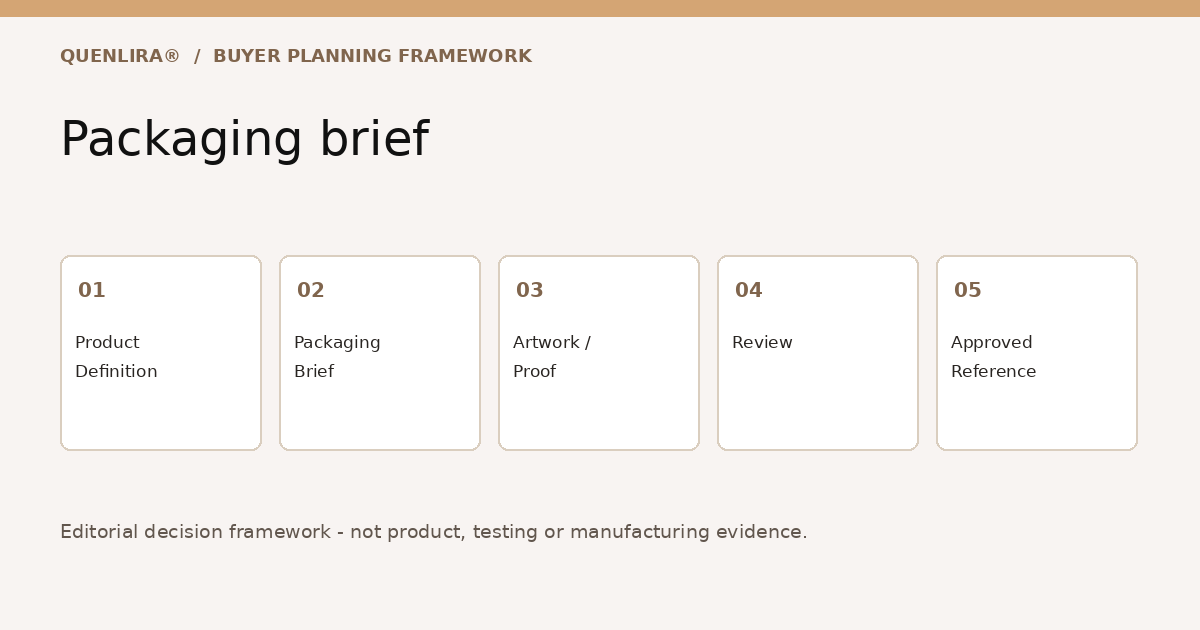
Define the product and pack configuration before finalizing custom lash packaging artwork. Build a brief covering presentation, product fit, buyer-supplied information and the review record, then distinguish a concept mockup from the version approved for the project. Packaging construction and commercial arrangements remain subject to specification and confirmation.
In this guide
- Packaging Starts with the Product, Not the Artwork
- Define the Packaging Brief
- Confirm Product-to-Pack Fit
- Separate Concept Mockups from Approved Packaging
- Plan Label and Market Information Carefully
- Review a Packaging Sample or Proof
- Lock the Packaging Reference Before Order Confirmation
- Packaging Brief Checklist
- Choose the Backing-Card Path Before Artwork Approval
Packaging Starts with the Product, Not the Artwork
Confirm the lash format and pack configuration first
Identify the selected product format, proposed arrangement and confirmed contents before fixing the layout. Otherwise the artwork may describe a configuration that has not been agreed.
Define retail channel and presentation needs
Explain how the buyer expects to present the collection and which information shoppers should distinguish. Treat channel needs as brief inputs, not as evidence of a confirmed packaging capability.
Define the Packaging Brief
Pack format
Describe the intended presentation and the construction questions to resolve. Keep desired features separate from the options confirmed for the project.
Brand assets and artwork
Supply authorized logo files, approved wording and a clearly identified artwork version. Mark draft claims so they are not mistaken for approved packaging copy.
Required product information
List the information the buyer needs for the intended market and product. Confirm the source and approval of each statement rather than filling gaps with generic claims.
Target presentation and merchandising role
Explain whether the pack supports a hero style, a supporting option or a wider range. Keep that role consistent with the selected product and channel.
Confirm Product-to-Pack Fit
Product arrangement
Review the proposed arrangement together with the selected product reference. Document questions about placement and presentation before artwork or physical approval.
Tray or internal configuration where applicable
If an internal component is proposed, identify it in the brief and confirm its applicability. Do not assume a photographed or rendered tray is available for the selected project.
Accessory assumptions must be verified
List any requested accessory as an open requirement until specifically confirmed. Neither an illustrative flat lay nor a generic packaging example establishes included contents.
Avoid designing around unconfirmed contents
Keep the contents statement provisional until the configuration is agreed. A later product change may require another fit and artwork review.
Separate Concept Mockups from Approved Packaging
What a concept is for
Use a concept to discuss visual direction, hierarchy and presentation. Label it clearly so buyers and design contacts do not treat it as a production photograph.
What requires physical/sample confirmation
Identify questions the concept cannot answer, including the selected product fit and the physical version to be reviewed. Record the agreed next review step.
Version control for artwork
Give each revision an identifiable file version and retain the approved reference. Avoid mixing text, images or layouts from different stages in the final handoff.
Plan Label and Market Information Carefully
Buyer-provided regulatory/market requirements
Ask the buyer to provide the intended-market information requirements and their approval process. Keep these instructions with the brief for review by the relevant project contacts.
Do not invent compliance statements
Do not add certifications, test references, composition statements or suitability promises to fill empty space. Every factual label claim needs its own support and approval.
Final responsibility and confirmation should be documented per project
Document who provides, reviews and approves the final information. This planning guide does not determine regulatory compliance for a market or replace project-specific review.
Choose the Backing-Card Path Before Artwork Approval
Buyer-supplied backing card: 500 boxes per style
Buyer-supplied backing card: 500 boxes per style. Identify who supplies the physical printed card; an artwork file alone does not establish this route. Confirm card format and tray fit.
Custom printed card through the production partner: 1,000 boxes per style
Custom printed backing card through the production partner: 1,000 boxes per style. Confirm printing scope in the custom packaging discussion and current terms with the private-label service. Neither route is a universal MOQ; design or setup charges are quoted per project.
Review the tray and assortment together
Record whether the pack holds one style or a mixed assortment, the intended contents and their positions. A change in length mix, arrangement or cluster configuration can change the layout to review. Confirm tray format, card dimensions and product fit with the selected sample rather than adapting artwork around an unrelated example.
Keep the bulk handoff reviewable
Retain the accepted artwork file, printed-card path, tray reference, approved contents and sample-fit decision together. Record who supplies each component and any unresolved item. Confirm physical fit separately if the first review uses only flat artwork. Bring those records to the private-label project and packaging quotation request.
Review a Packaging Sample or Proof
Artwork placement
Compare the reviewed proof or sample with the identified artwork file. Record alignment, orientation and content comments without implying an unagreed print tolerance.
Visible print quality
Describe visible observations in the reviewed example and identify any revision request. Do not infer test results, durability or the outcome of future production from appearance alone.
Product fit and presentation
Review the selected product and packaging together where a representative sample is available. Keep fit questions open if only a flat artwork proof has been reviewed.
Revision notes
Separate artwork edits, pack changes and product-configuration changes. Record what requires another review before the packaging reference is approved.
Lock the Packaging Reference Before Order Confirmation
Approved artwork version
Identify the exact accepted file and keep the approval record with it. A later change requires a new decision rather than an informal substitution.
Approved pack format
Record the packaging version actually agreed for the selected product. Avoid describing an earlier concept as the approved format.
Product-pack configuration
Connect the contents description, arrangement and pack reference in one reviewable record. Update the record if any of those inputs changes.
Open items
List outstanding information, fit questions and approvals before order confirmation. Packaging and commercial arrangements remain subject to specification and confirmation.
Packaging Brief Checklist
Use this as a brief template. For each row, record the requirement, file or artwork version, who supplies the information, who approves it, and the open question or decision date. Keep label-claim evidence separate from visual proof approval.
| Decision area | Buyer record | Status |
|---|---|---|
| Product | Identify the selected product and confirmed contents before designing the pack. | Record: confirmed / open / revision required |
| Pack format | State the presentation direction and the construction options still to confirm. | Record: confirmed / open / revision required |
| Artwork | Provide authorized brand files and the current wording and layout version. | Record: confirmed / open / revision required |
| Information | Identify buyer-supplied requirements and the source of each factual statement. | Record: confirmed / open / revision required |
| Sample/proof | Record the review stage and the questions that the reviewed example can answer. | Record: confirmed / open / revision required |
| Approved reference | Keep the accepted pack, artwork version and unresolved items together. | Record: confirmed / open / revision required |
Product
Identify the selected product and confirmed contents before designing the pack.
Pack format
State the presentation direction and the construction options still to confirm.
Artwork
Provide authorized brand files and the current wording and layout version.
Information
Identify buyer-supplied requirements and the source of each factual statement.
Sample/proof
Record the review stage and the questions that the reviewed example can answer.
Approved reference
Keep the accepted pack, artwork version and unresolved items together.
Buyer questions
What should a custom lash packaging brief include?
Include the selected product and configuration, proposed pack format, authorized artwork, buyer-supplied information requirements, review stage and approval record. List open questions separately.
Should the product be defined before packaging artwork is finalized?
Yes. Product arrangement and confirmed contents inform the pack layout and wording. Unresolved product changes can require another fit and artwork review.
Are packaging mockups the same as approved production packaging?
No. A mockup communicates a concept. The approved packaging reference must identify the version reviewed for the actual project and the scope of that approval.
Can packaging requirements vary by market and project?
Yes. The buyer should provide the intended-market requirements and document the review and approval responsibilities. Packaging arrangements remain subject to specification and confirmation.
Continue your buying decision
This guide supports buyer decisions. Use the relevant commercial pages for the selected project; requirements remain subject to specification and confirmation.